☎ Water where it should not be? Talk it through with a local Arvada plumber at (303) 552-3896.
Suspect One: The Connections, Not the Tank
Most water heater puddles start above the tank, not inside it. The cold inlet and hot outlet unions, the flex connectors, and the shutoff valve all seep with age and thermal cycling. Gravity carries the drip straight down the tank's side to pool at the base, framing the tank for a crime its fittings committed.
This is the happy diagnosis, because reseating a union or replacing a flex line is a modest repair on a perfectly good heater. The triage that separates fitting drips from tank failure is the whole point of our water heater leak page.
Suspect Two: The Relief Valve Doing Its Job
The temperature-and-pressure relief valve on the side of the tank exists to release water when pressure climbs too high. A valve that drips is often reporting a real problem elsewhere: thermal expansion in a closed system with no working expansion tank. Overnight, as the burner fires and water expands with nowhere to go, pressure spikes and the relief valve weeps.
The remedy is giving that expansion somewhere to go, not quieting the valve that reported it. This is where the whole-house pressure picture enters, the phenomenon detailed on our pressure regulator page, and it is why we read pressure on these calls by default.
Suspect Three: The Tank Itself, and the Slab Below
Water weeping from the bottom of the tank body, especially rusty water, means the tank's internal liner has corroded through, and no external repair reaches that; it is a replacement. But before assuming the tank, rule out one more suspect. A hot-line slab leak nearby draws continuously from the heater, which can look like a struggling tank while the actual failure is under the floor.
The tell is the running-water sound with everything off and a warm floor patch, the slab signature covered on our slab leak page. Convicting the tank without clearing the slab is how people buy a new heater and keep the leak.
Sort It Before You Spend
Note where the water actually originates: top-and-side points at fittings, the side valve at expansion pressure, the bottom at the tank, and a nearby warm floor at the slab. That one observation, offered on the phone, aims the visit and often saves a needless replacement.
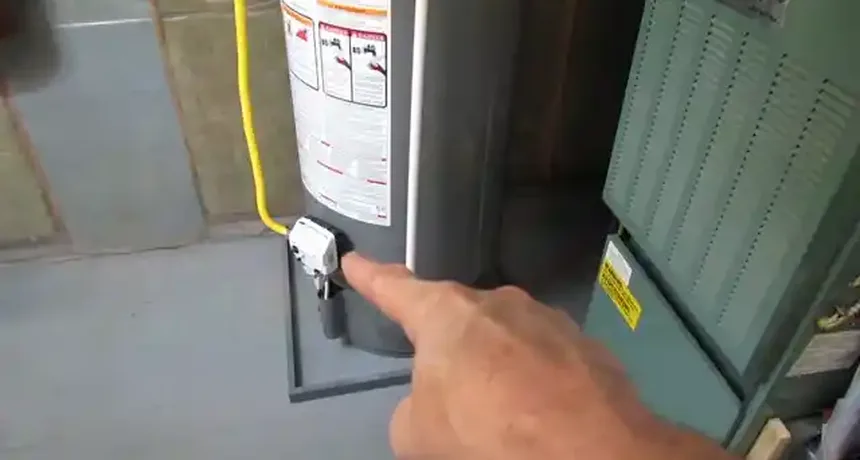
Whatever the verdict, safety first: if water is pooling near the burner or electrical connections, kill power or gas to the unit and call. The triage books at (303) 552-3896, and the boom-era utility rooms around Meadowlake see all three suspects regularly.
Water Heater Questions From Arvada
My relief valve drips but my water pressure seems fine. Why?
Daytime pressure can read normal while a closed system spikes overnight from thermal expansion, which is exactly when the relief valve weeps. The valve is doing its job. The real fix is a working expansion tank to absorb that expansion, not a new valve.
Is a bottom-leaking tank ever worth repairing?
Practically no. Bottom weeping means the internal liner has corroded through, and no external repair reaches it. That verdict is replacement. The useful question becomes matched replacement versus an upgrade, plus correcting any expansion-tank gap while access is open.
Could the puddle really be a slab leak instead of the heater?
It happens. A hot-line slab leak draws from the heater continuously and can mimic a tired tank. The tells are a faint running-water sound with everything off and a warm floor patch nearby. Clearing the slab before condemning the tank prevents buying a heater you did not need.